Blue Chinese Wisteria Tree
Grow blue wisteria: the fragrant spring tree for full-sun gardens
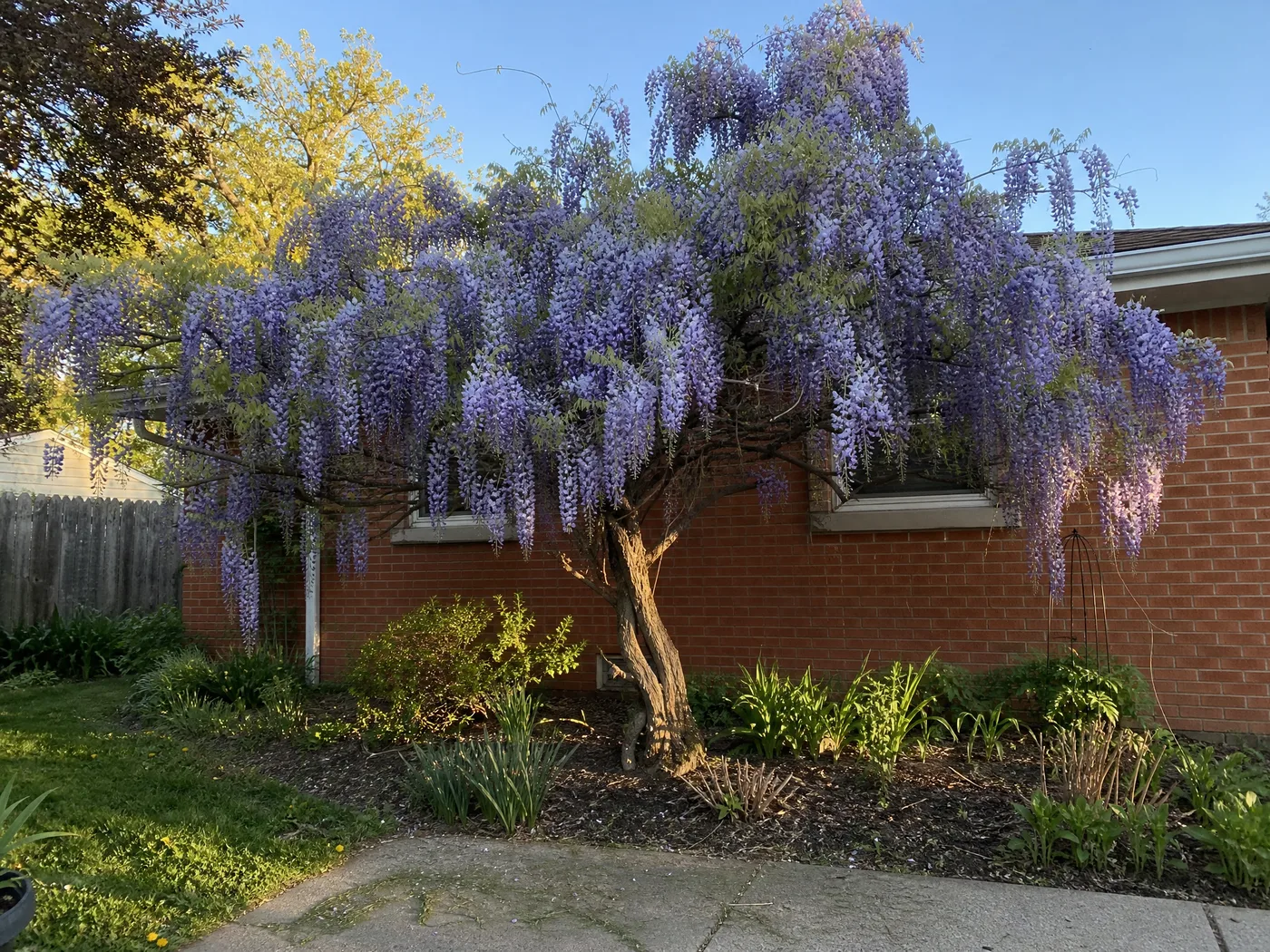
About Blue Chinese Wisteria Tree
Blue Chinese wisteria is a deciduous vine trained and shaped into a compact tree. Each spring, it covers itself with fragrant blue-violet flower clusters that bloom before the leaves emerge. It makes a striking focal point in a landscape, used as a patio specimen, near an entry, or centered in a garden bed.
This site covers everything you need to grow blue wisteria well: choosing the right location and full sun, soil and watering needs, the pruning and staking required to maintain its tree shape, common pests and diseases, and where to find healthy grafted plants that bloom reliably within a few years.
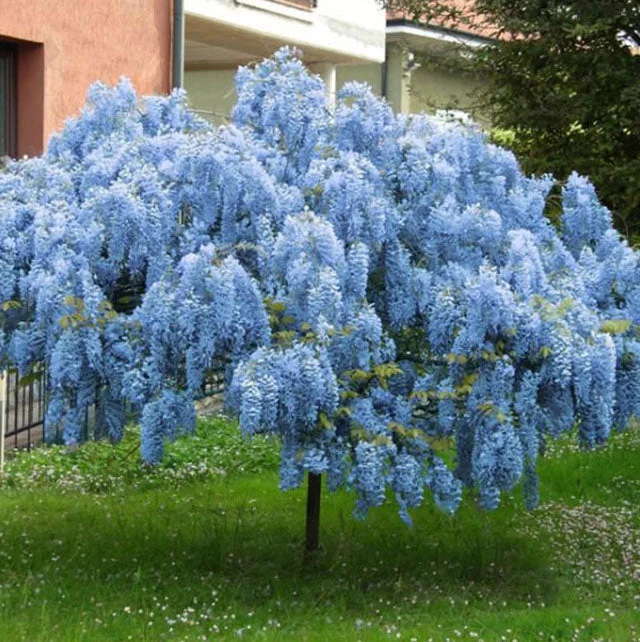
Buy Blue Chinese Wisteria Tree
Nursery-grown plants shipped in their container, with our planting and care guides to go with them.
From $49.49
Sizes: Quart, 1 Gallon Tree 24-26" Tall, 3 Gallon Tree 3-4' Tall, 3 Gallon Tree 4-5' Tall
Shop Blue Chinese Wisteria TreeQuick facts
- USDA zones
- 5-9
- Mature height
- as a trained standard: 6-10 ft trunk/canopy typical for landscape tree form; if left untra
- Mature width
- 10-15 ft canopy spread when maintained as a tree form; can sprawl much wider if grown as a
- Sun
- full sun (minimum 6 hours direct sun) for best bloom; tolerates light shade but flowers le
- Water
- regular, even moisture while establishing (first 1-2 years); moderately drought tolerant o
- Bloom time
- spring, typically April-May, flowering just before or as leaves emerge
- Bloom color
- blue-violet (this 'Blue' Chinese wisteria selection); species also occurs in white and dee
- Growth rate
- fast — vine growth of 3-5 ft or more per year before it is checked back by pruning to hold
- Deer resistance
- generally good deer resistance
- Plant type
- deciduous flowering vine trained into a tree/standard form
- Fragrant blue-violet flower clusters bloom in spring before full leaf-out
- Trained into a tree form, it needs a permanent stake and twice-yearly pruning to hold its shape
- Untrained, it reverts to a vigorous twining vine capable of 25-30+ feet of growth
- Hardy in USDA zones 5-9, full sun preferred
- All parts, especially the seeds and pods, are toxic if ingested
- Considered invasive in parts of the eastern/southeastern US
- Grafted plants bloom in a few years; seed-grown plants may take a decade or more
Growing guides
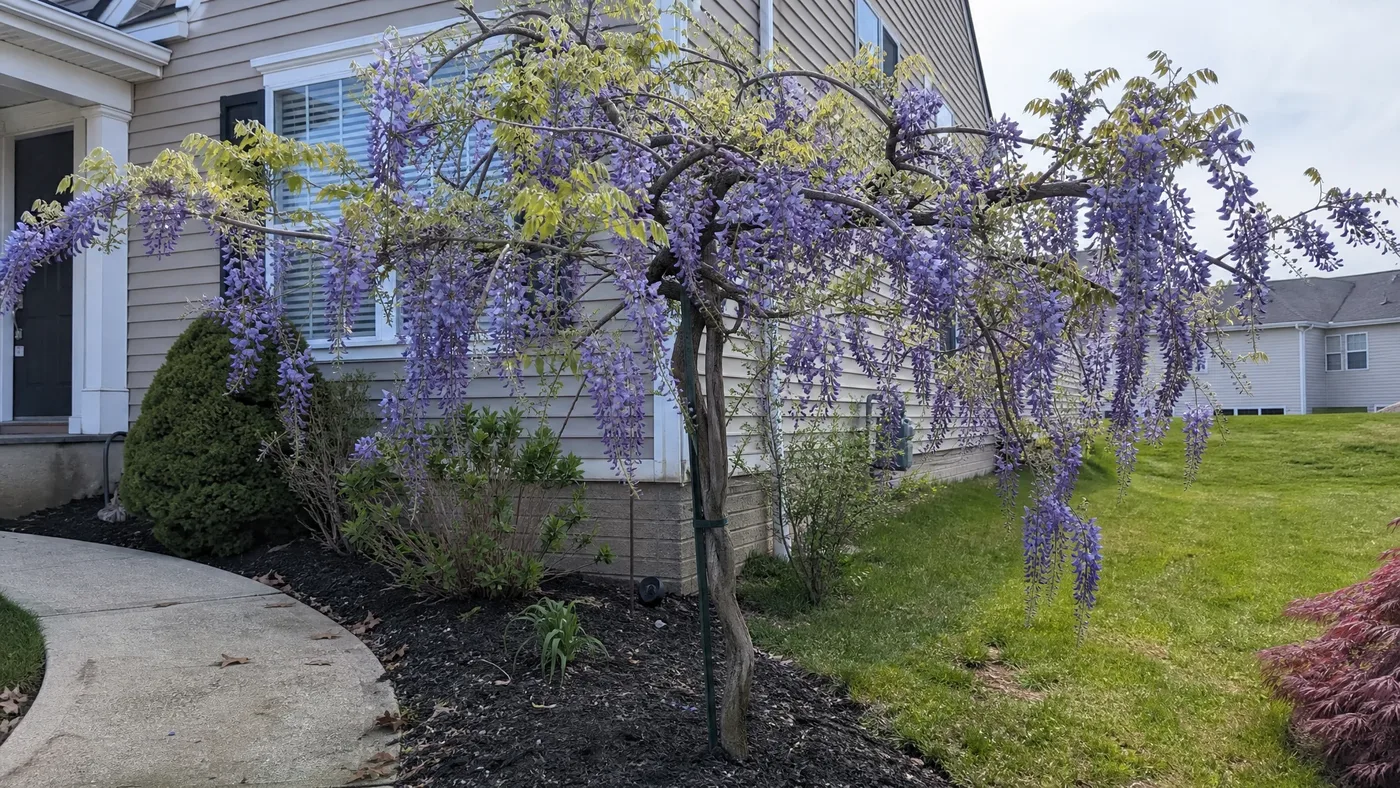 Core guide
Blue Chinese Wisteria Tree Care: The Complete Growing Guide
Learn how to grow Blue Chinese Wisteria Tree (Wisteria sinensis). Complete care guide: planting, pruning, soil, watering, zones 5-9. Fragran
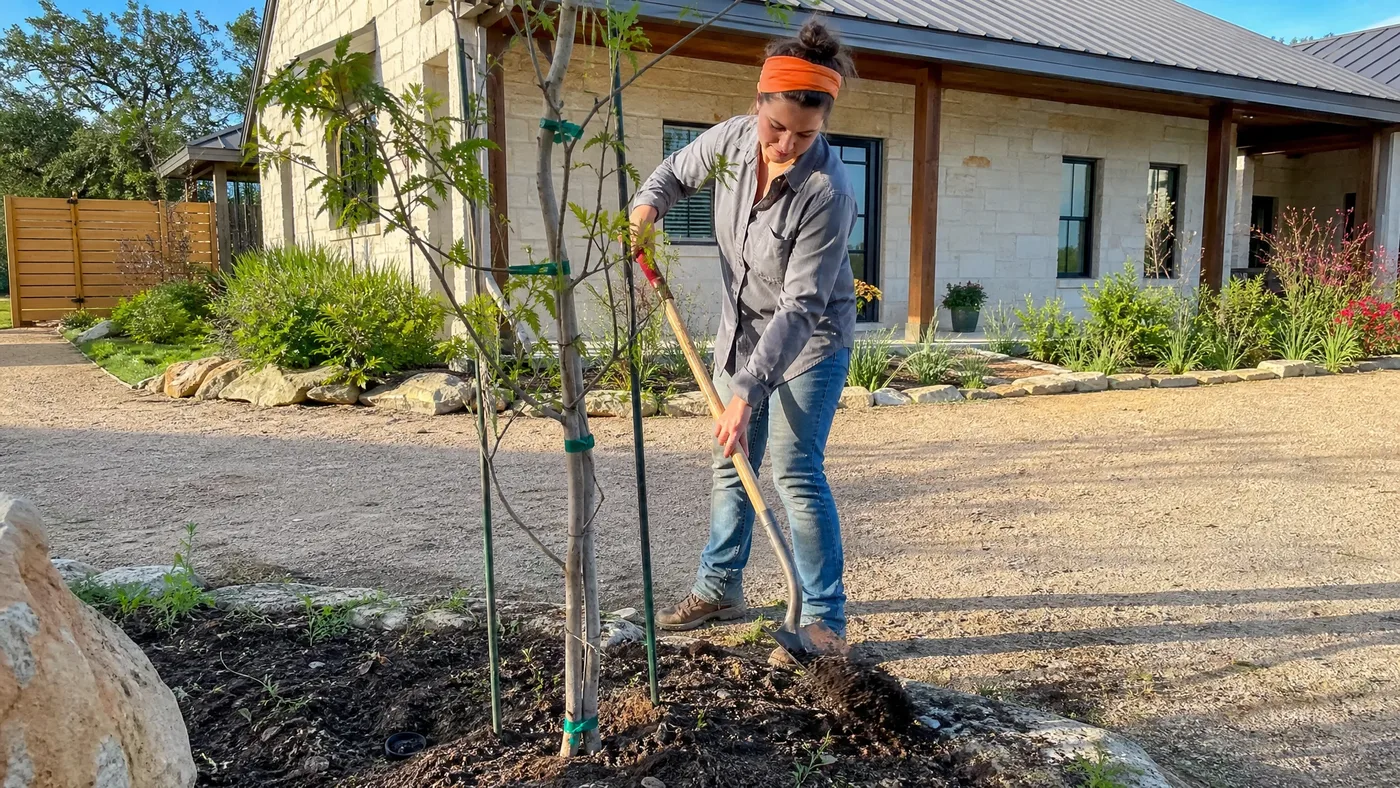 Core guide
How to Plant a Blue Chinese Wisteria Tree the Right Way
Learn how to plant Blue Chinese Wisteria Tree (Wisteria sinensis) with step-by-step instructions, timing, soil prep, and staking for blooms.
 Core guide
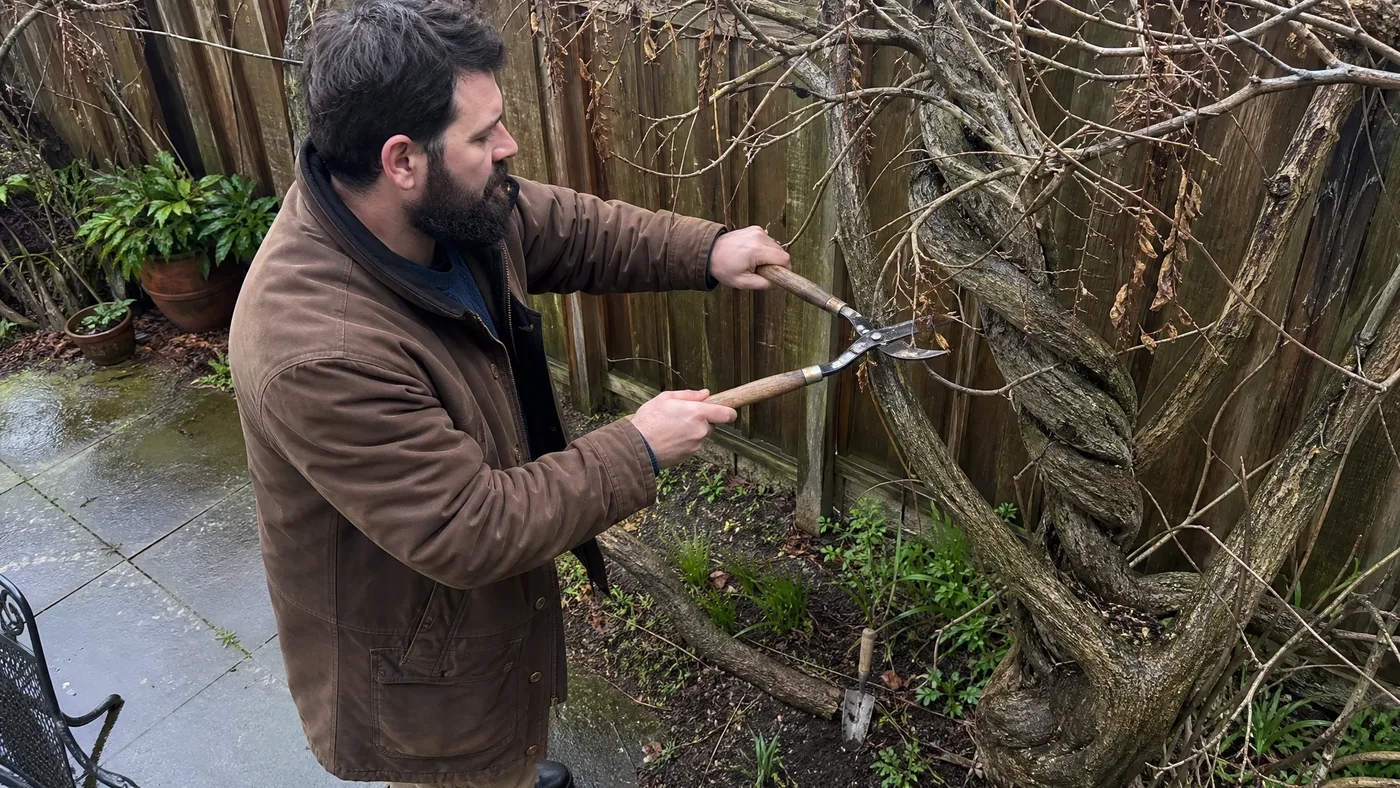
Pruning a Blue Chinese Wisteria Tree for Bigger Blooms
Learn how to prune Blue Chinese Wisteria Tree for abundant spring blooms. Winter dormant pruning + summer maintenance schedule.
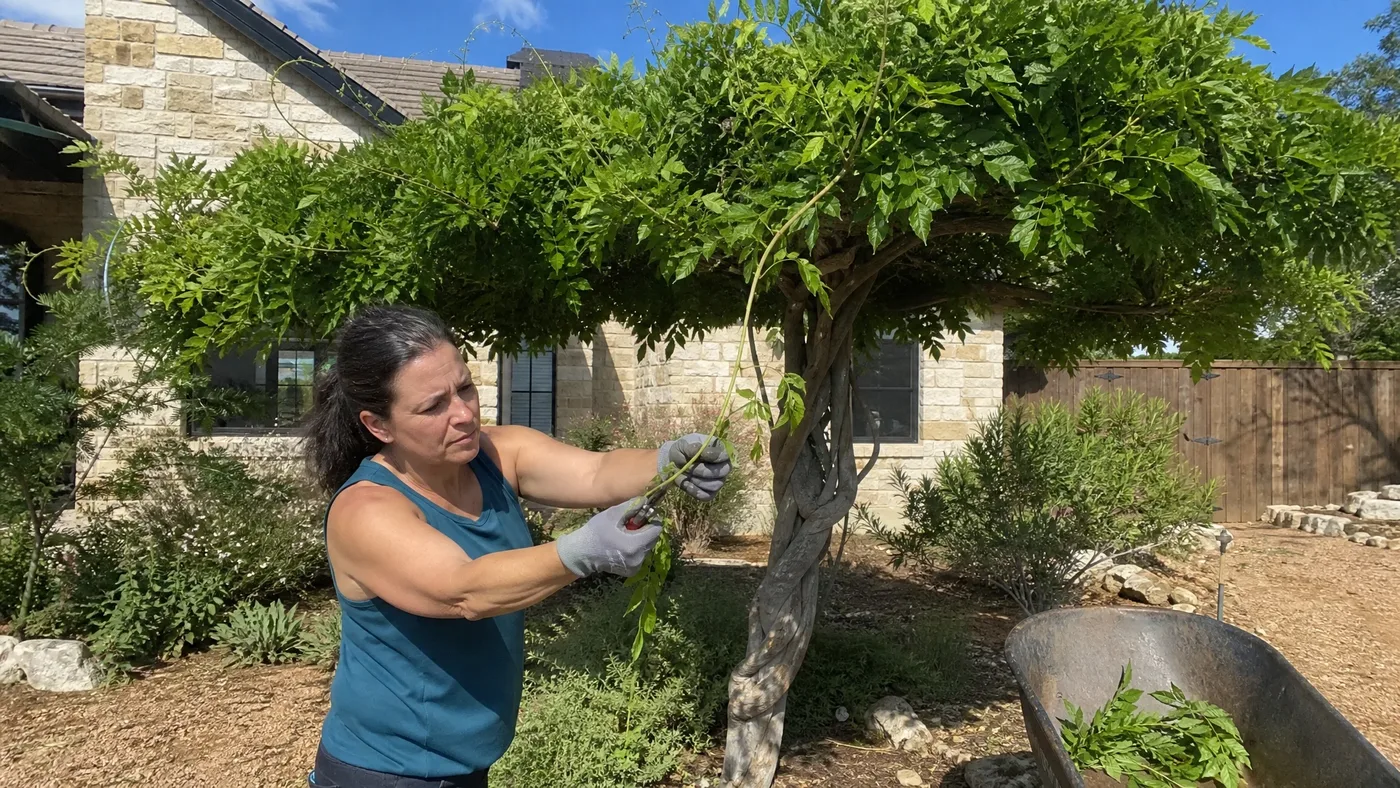 Plant specific
Blue Chinese Wisteria Tree Not Blooming? Here's Why
Discover why your Blue Chinese Wisteria Tree won't bloom and how to fix it. Pruning, sunlight, and fertilizer solutions that work.
 Core guide
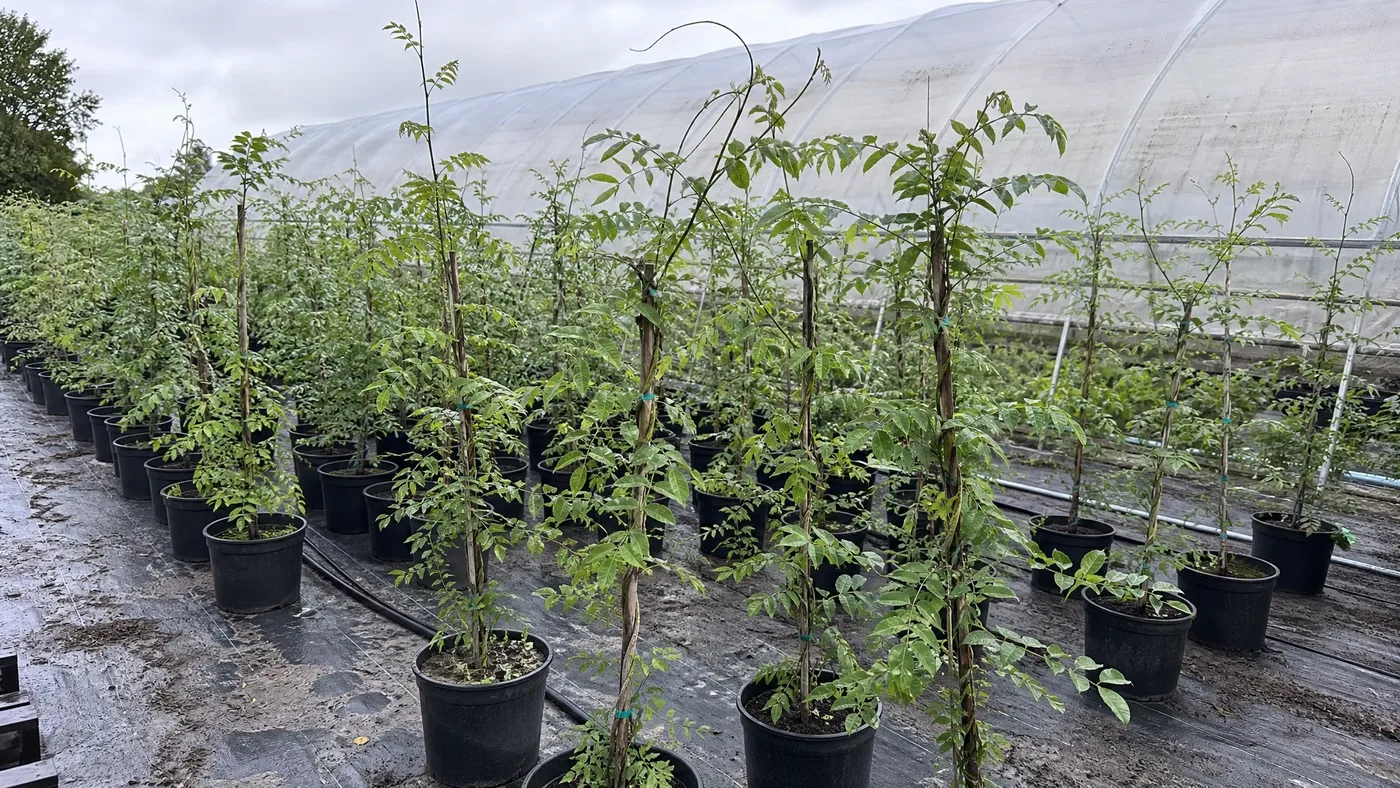
Buying a Blue Chinese Wisteria Tree: Sizes and What to Look For
Guide to buying blue chinese wisteria trees: container sizes, grafted vs seed-grown, quality indicators, and where to find healthy specimens
 Plant specific
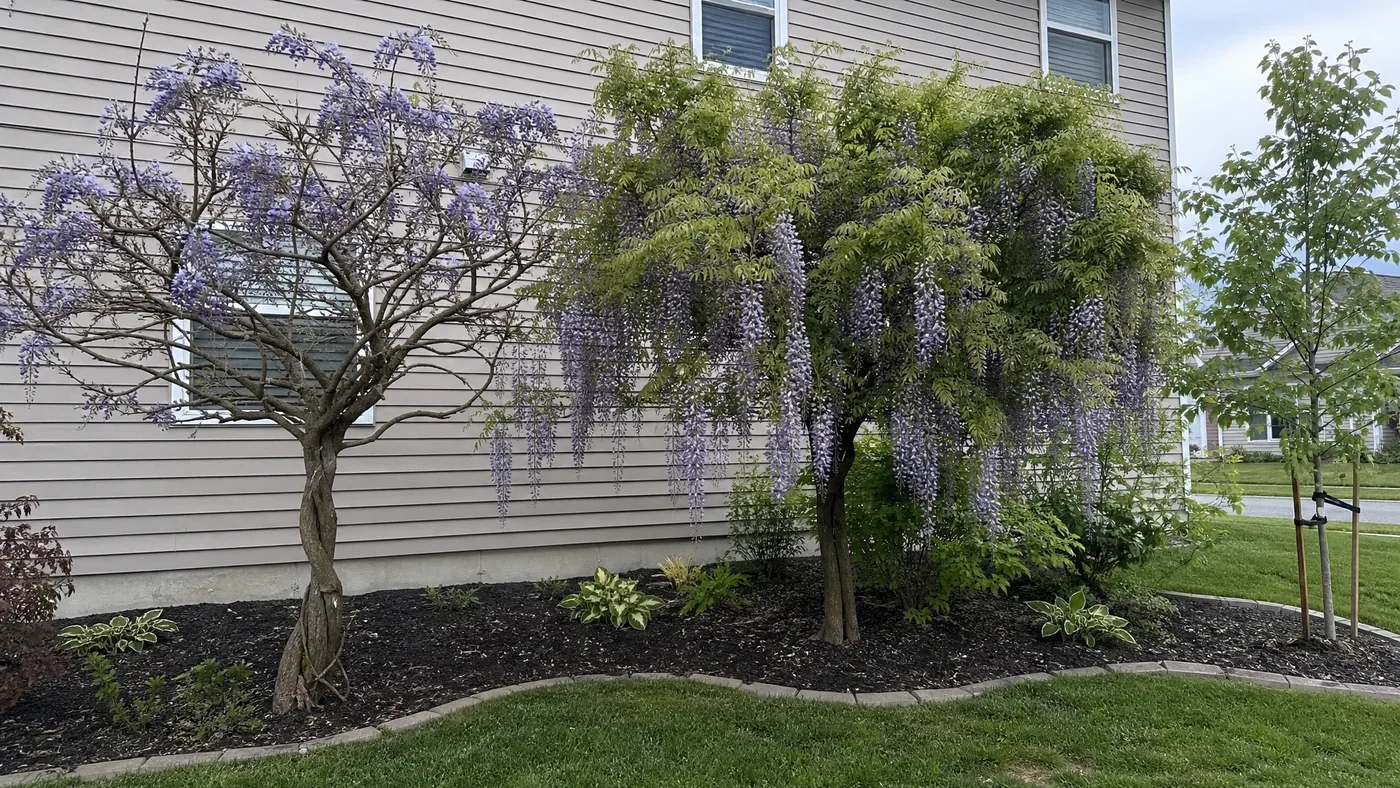
Blue Chinese Wisteria Tree vs Japanese Wisteria: Key Differences
Compare Blue Chinese Wisteria Tree (Wisteria sinensis) to Japanese Wisteria: blooming time, growth rate, hardiness, and invasiveness differe
 Core guide
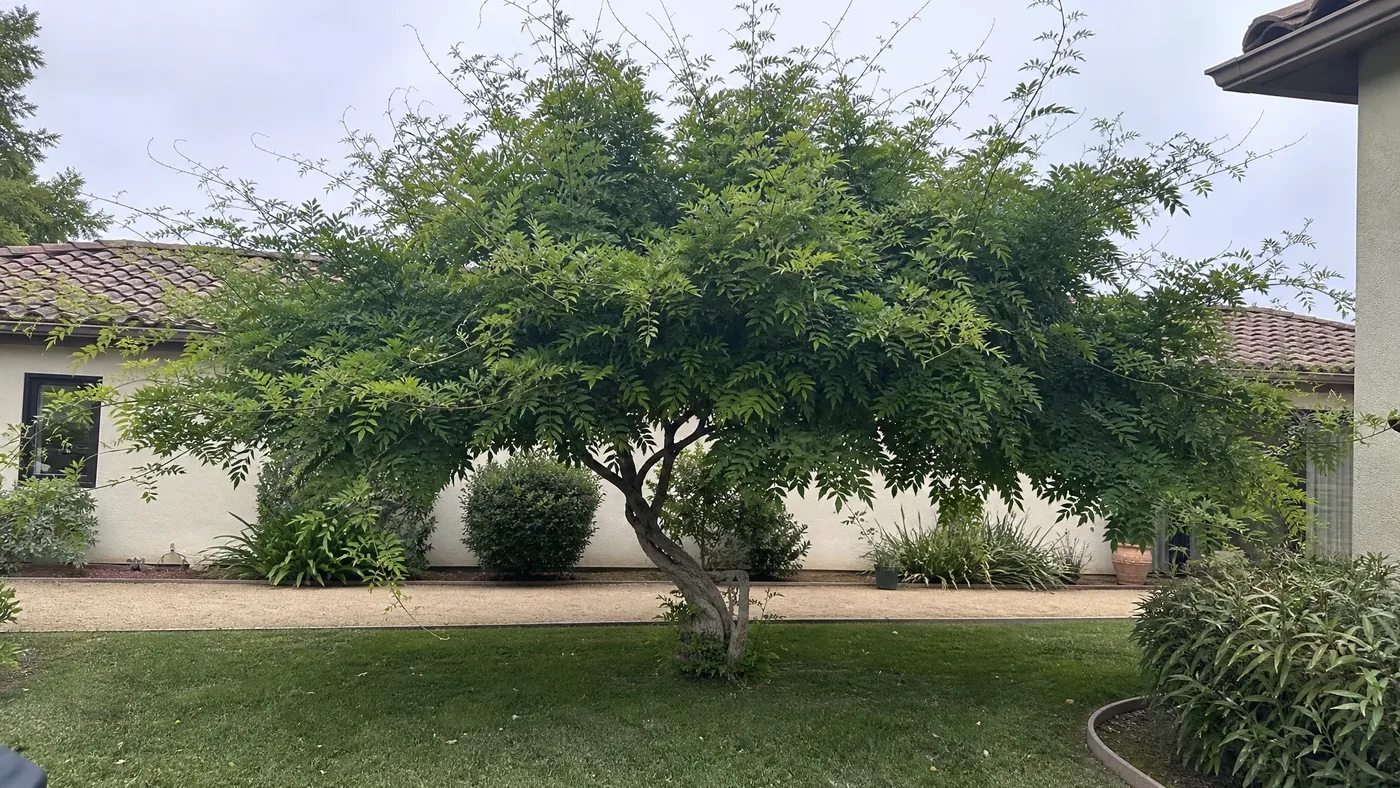
Sun Requirements for a Blue Chinese Wisteria Tree
Learn the exact sun requirements for Blue Chinese Wisteria Trees, including minimum hours, shade tolerance, and how to maximize blooms in yo
 Core guide
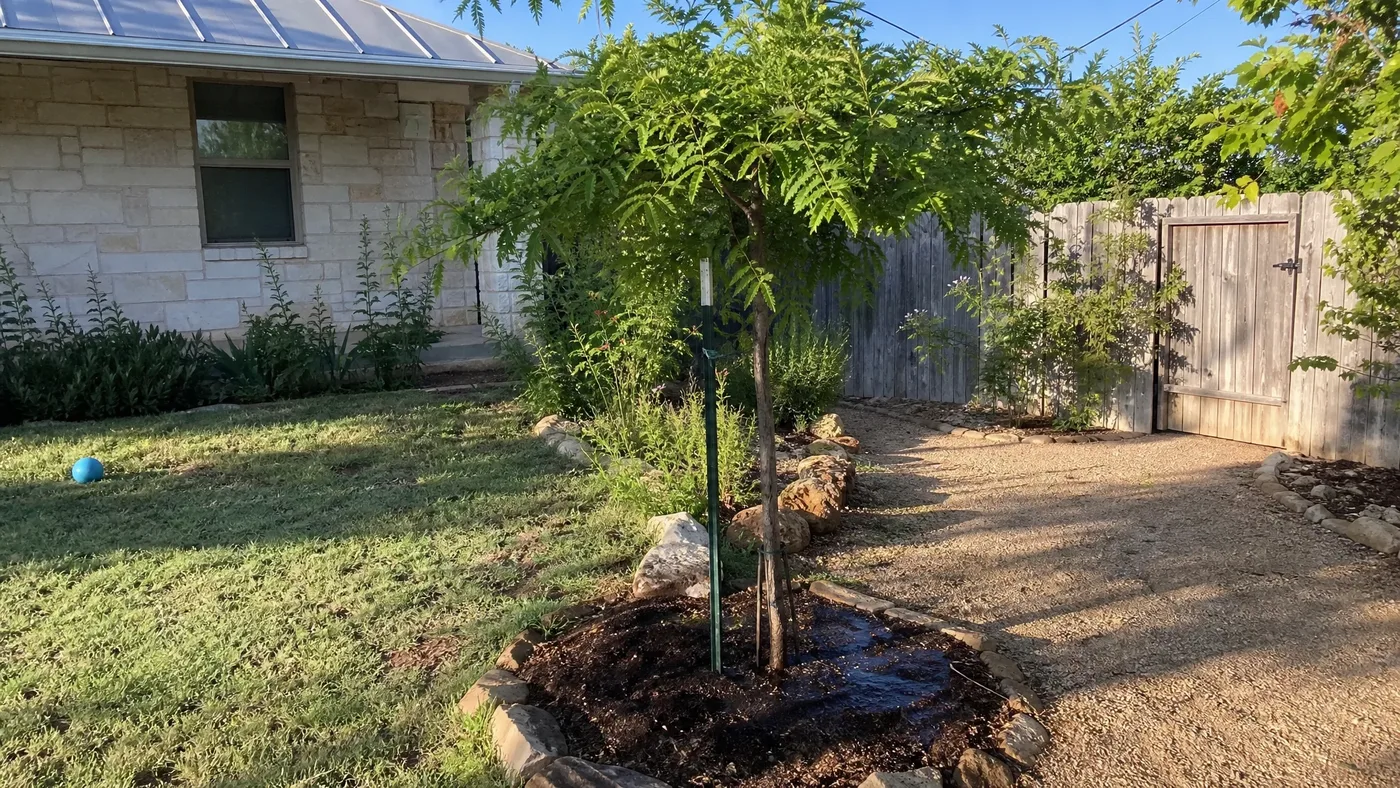
Watering a Blue Chinese Wisteria Tree: Young vs Established
Learn how to water Blue Chinese Wisteria Tree correctly for young and established plants. Watering schedule, overwatering signs, and drainag
 Core guide
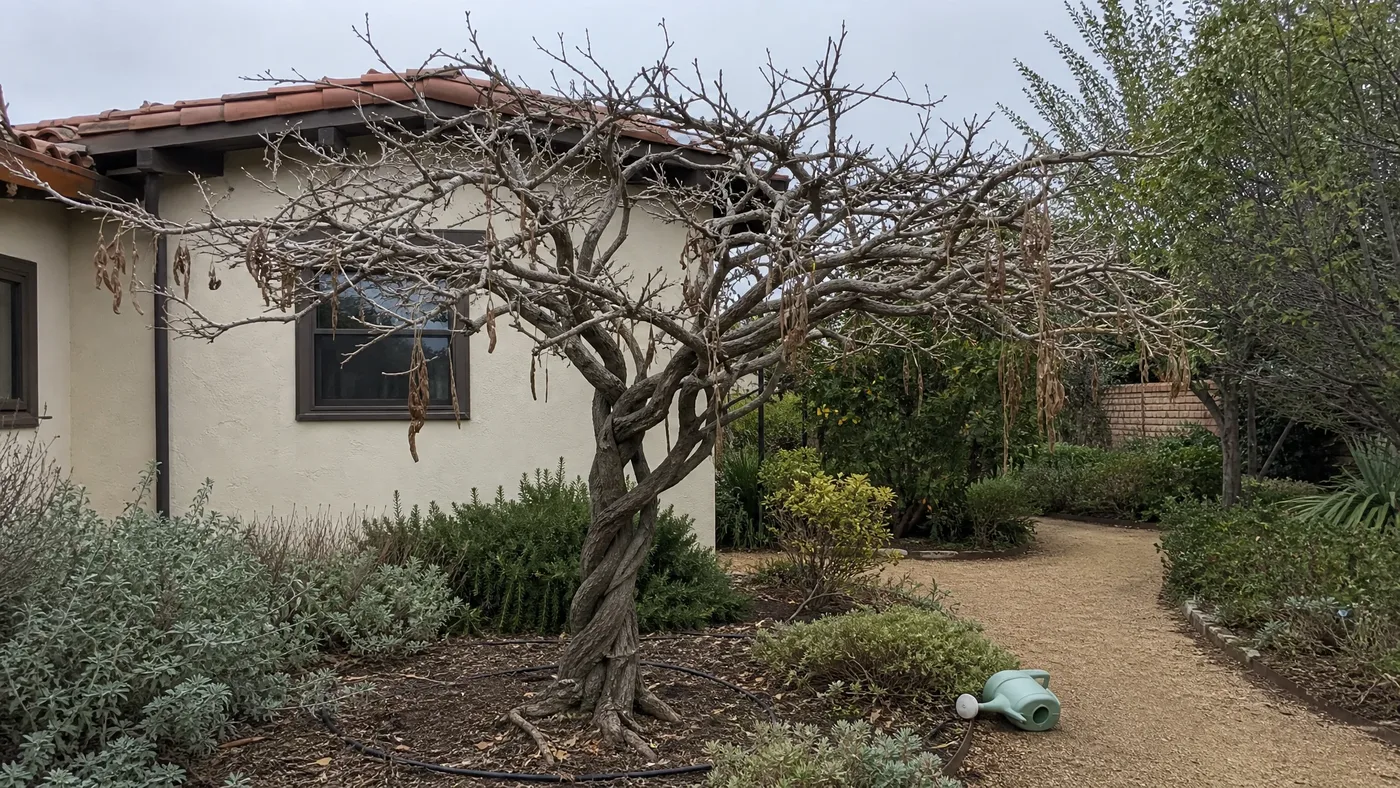
Blue Chinese Wisteria Tree Hardiness Zones and Climate Needs
Learn USDA hardiness zones 5-9 for Blue Chinese Wisteria Tree. Answers to cold tolerance, winter survival, and climate requirements for this
 Core guide
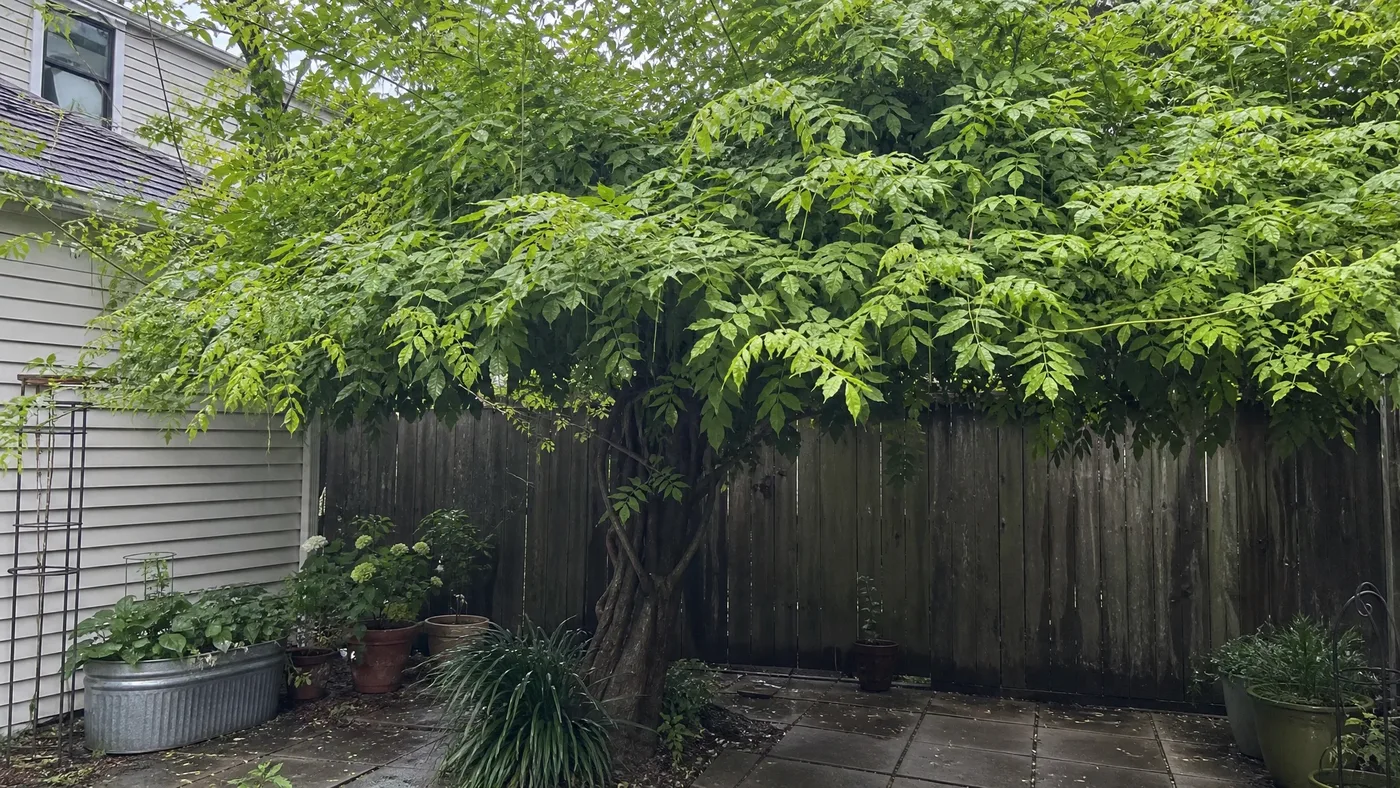
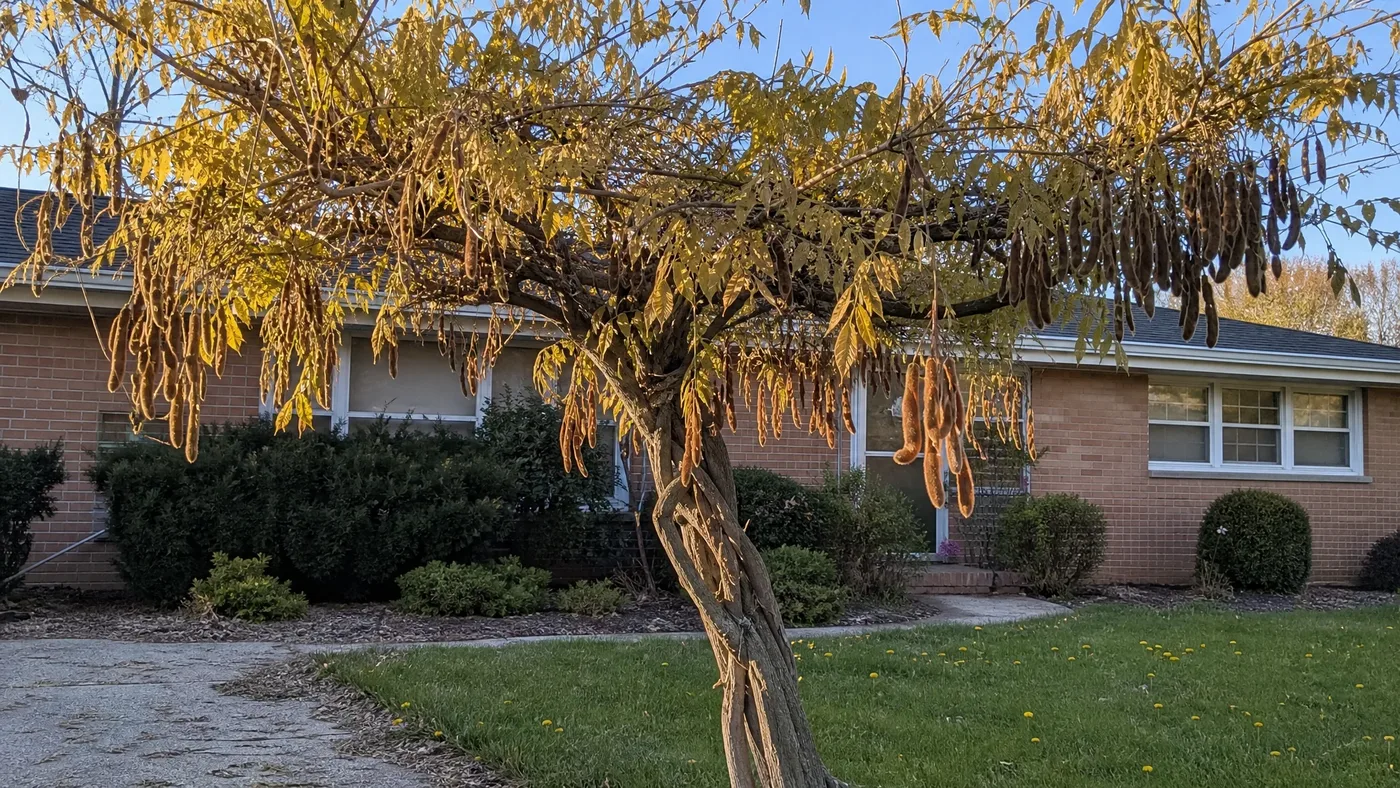
How Big Does a Blue Chinese Wisteria Tree Get?
How big does a Blue Chinese Wisteria Tree get? Learn mature size, growth rate, height, spread, pruning tips, and spacing for tree-form wiste
 Plant specific
Blue Chinese Wisteria Tree Bloom Time, Color and Duration
Learn when Blue Chinese Wisteria blooms, how long flowers last, and what color to expect. Practical spring growing tips for home gardeners.
 Plant specific
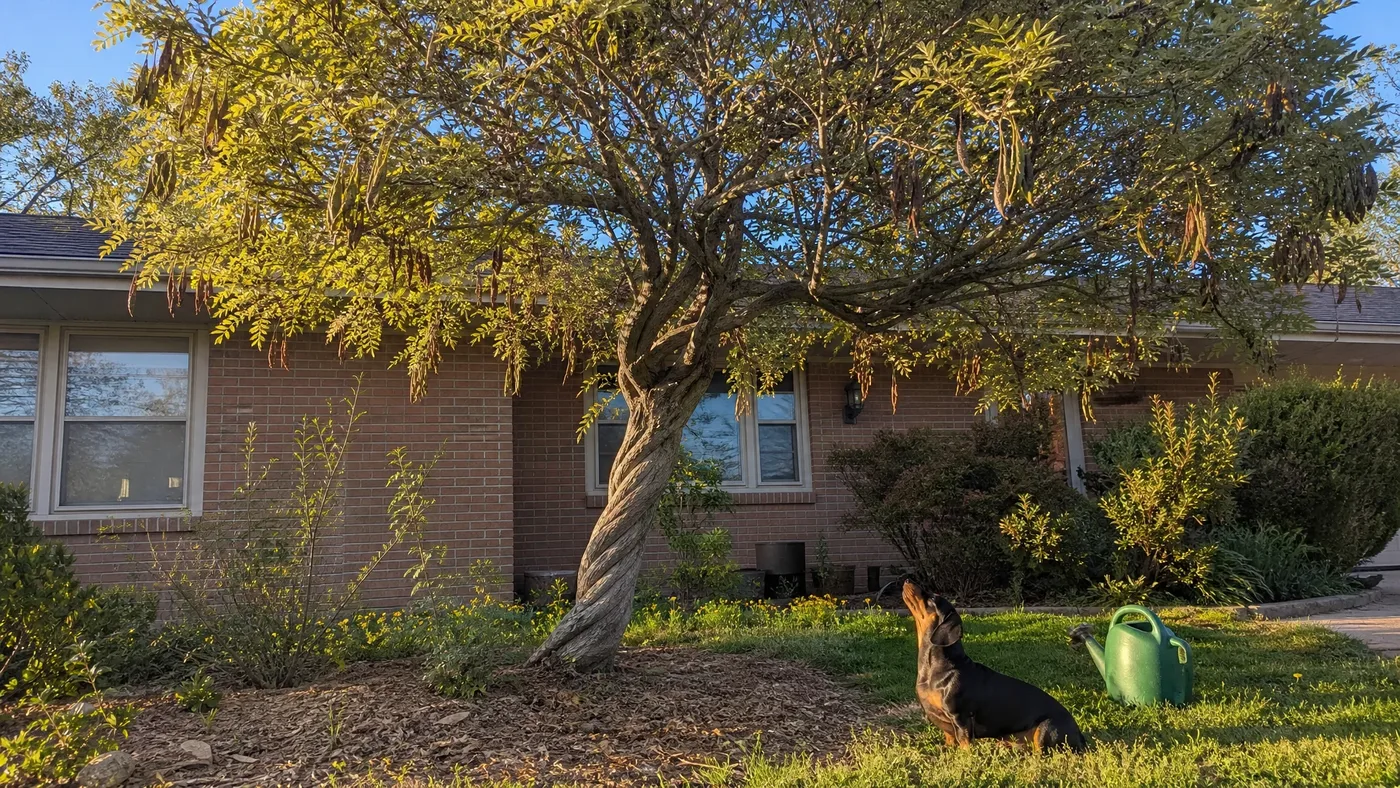
Is Blue Chinese Wisteria Tree Toxic to Pets and Kids?
Is Blue Chinese Wisteria Tree toxic? Discover seed pod dangers, poisoning symptoms in dogs, cats and kids, plus safe growing tips for homeow
Blue Chinese Wisteria Tree questions
Why won't my Blue Chinese Wisteria Tree bloom?
The most common causes are too much nitrogen fertilizer, insufficient direct sun, missing the twice-yearly prune, or having a seed-grown (rather than grafted) plant that simply hasn't matured enough to flower yet.
Does the tree form stay small on its own?
No — the tree/standard shape is created and maintained through training on a permanent stake plus regular pruning; without upkeep it will send out long climbing shoots and revert toward a vine habit.
Is Chinese Wisteria invasive?
It can be in parts of the eastern and southeastern US, where escaped plants have girdled trees and spread by seed; check local extension guidance before planting near wild areas, and deadhead pods if this is a concern.
Is wisteria toxic to pets?
Yes, all parts are considered toxic, with the seeds and pods being the most concentrated; keep pods away from pets and children.